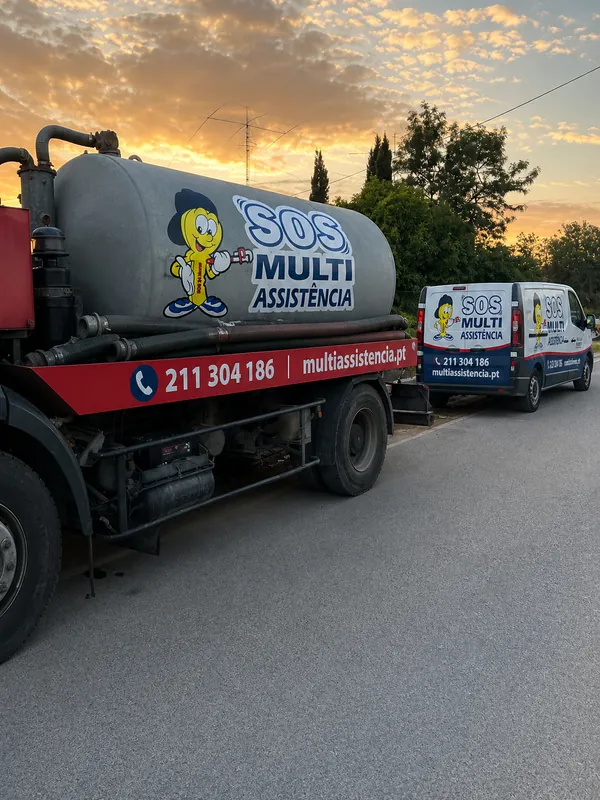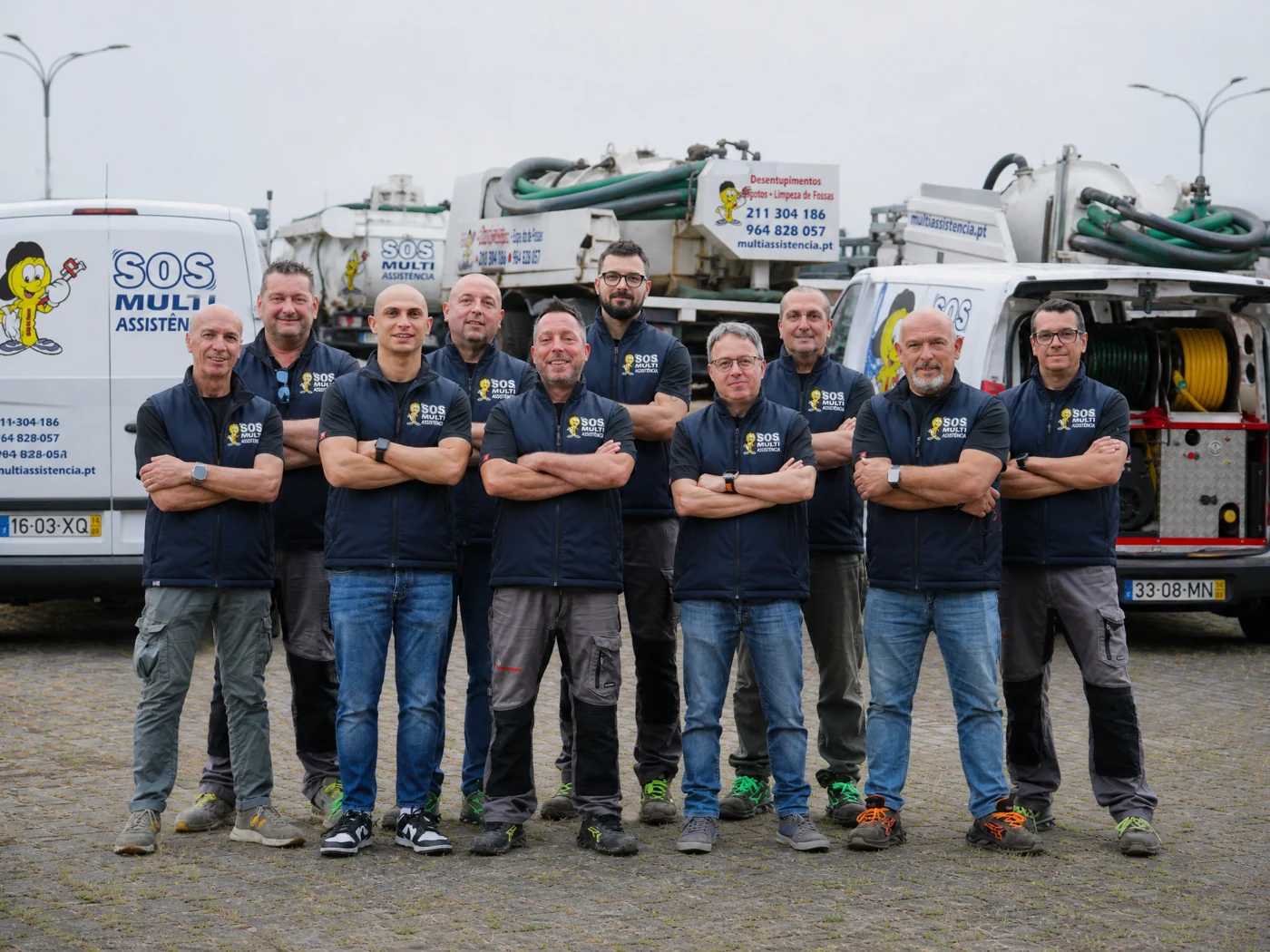
We have handled septic tank cleaning across the region since 1995 with our own team of 37 technicians, and we never subcontract the work. Whether you have a traditional septic tank, a biological tank, a cesspit or a sealed holding tank, one visit covers the lot: a full empty, a proper wash-out and a check of the inlets and outlets. We look after homeowners in villas and country houses, condominiums that need scheduled maintenance, and B2B clients such as restaurants, farms and building sites where the volumes are larger. Much of our work is out in the rural and outlying parts of Greater Lisbon, where properties sit off the mains sewer and rely on regular emptying — the kind of access a tanker driver needs experience to manage. We answer 24 hours a day, 365 days a year, we speak English, and you get a clear quote before we start. To book, call 211 304 186 or message us on WhatsApp on 911 791 640.
What septic tank cleaning includes
Our septic tank cleaning brings three jobs together in a single visit: emptying (what many people search for as septic tank pumping), wash-out and inspection. The tanker draws off everything inside — the liquid and the sludge that settles at the bottom of the tank — so the system is ready to work at full capacity again. Once the tank is emptied, we hose down the walls and the base to shift the crusts and sediment that eat into the usable volume and cause smells over time. The same service covers any kind of sewage holding tank: a conventional septic tank, a biological tank, a bio-septic unit or a sealed one. This is practical, recurring work, meant to keep the whole system draining without backing up or overflowing. We bring the right kit for each site, we see the waste properly disposed of, and we hand over a record of the work so everything is documented. If you would like it, we also leave a written note on when the next visit should be scheduled, which helps condominiums and businesses plan ahead rather than wait for the next problem.
Signs your tank needs emptying and how often
A full tank gives clear warnings before it overflows. The usual ones are a lingering smell outside, toilets that empty slowly, gurgling in the pipes and water pooling near the lid or cover. If you spot any of these, it is time to book a septic tank emptying before a small nuisance turns into a costly mess in the garden. How often you need it depends on how many people the tank serves and its size. A household septic tank for one family typically wants emptying every one to three years, while a tank at a busy condominium or a heavily used property needs a closer eye on the calendar. Larger units, such as a 5,000-litre septic tank, take longer to fill but still need regular attention so the sludge does not harden into crusts that are difficult to remove. The rule of thumb is simple: when the sludge reaches roughly half the tank's capacity, it is time to empty and wash it out. Booking in good time protects the structure, avoids blockages and keeps the running costs down over the years.
How we empty and clean the tank
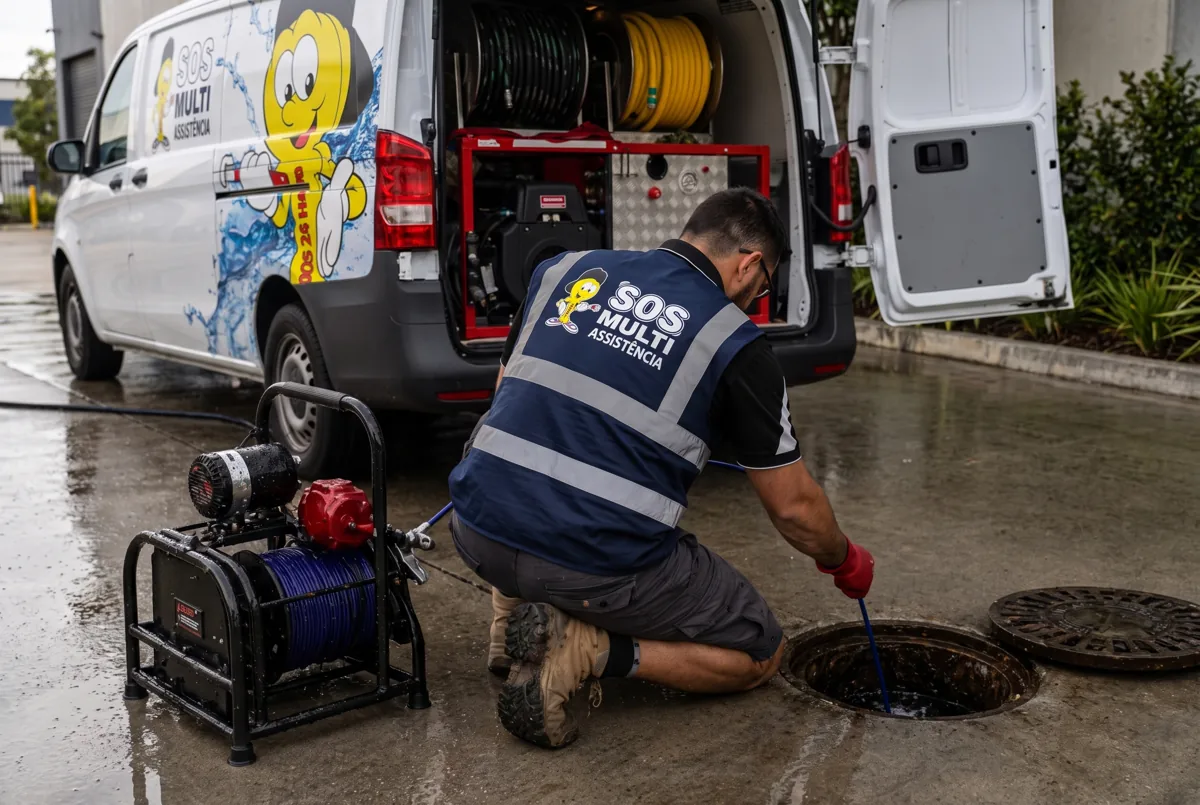
We start by locating and opening the lid, then checking the fill level and the general state of the tank. The technician positions the tanker's suction hose and draws off the liquid and the sludge in full. The tanker's own pump generates the suction it needs; where access is awkward, we use an auxiliary pump to reach tanks that are set back or buried. After the emptying comes the wash-out itself: we clean down the inside walls, clear the crusts and check the inlets and outlets to confirm nothing is blocked. We finish with a visual inspection of the structure and the connections, looking for cracks, seepage or wear that might call for future work. Everything drawn off travels away in the tanker for proper disposal in line with the environmental rules. Before we leave, we talk you through the state of the system, answer any questions on site and suggest a sensible interval for the next clean. We work carefully to keep the surrounding area clean and leave the ground tidy when we go.
Who we clean septic tanks for
Our septic tank cleaning suits very different needs across Greater Lisbon. For homeowners in villas and country houses whose tanks are not connected to the mains sewer and depend on regular emptying. For condominiums and property managers who need a dependable team to clean and empty a shared tank, with steady billing and easy scheduling. And for B2B clients — restaurants, building sites, farms and agricultural holdings — where the volumes are heavier and the response has to be quick so the work does not stop. We pay particular attention to the rural and outlying parts of the region, where holding tanks are the norm and getting the tanker in takes experience and careful manoeuvring. Whatever the case, the same in-house team handles it end to end, with no subcontracting, and we tailor the job to the size and type of tank — whether that is a one-off visit or an ongoing maintenance contract that keeps the tank from ever reaching the point of overflowing.
Booking and your quote
Arranging a clean for your tank is quick. Call us on 211 304 186 or message us on WhatsApp on 911 791 640 and describe the situation — the type of tank, roughly how big it is, where it sits on the property and how easy it is to reach with a tanker. Once we have seen what the job involves, we give you a clear quote before any work starts: the figure we agree is the figure on the invoice, with no surprises when the job is done. We answer 24 hours a day, 365 days a year, and we speak English, which makes booking straightforward whether you are a resident, a property manager or a business. Where a tank has already overflowed or is close to it, tell us and we will treat it as urgent and get a tanker to you as quickly as the roads allow. For condominiums, restaurants and farms that need emptying on a regular basis, we can set up a maintenance schedule so the tank is seen to before it becomes a problem. However you get in touch, the same in-house team turns up, does the full empty and wash-out, and leaves you with a record of the work and a sensible date for the next visit.